

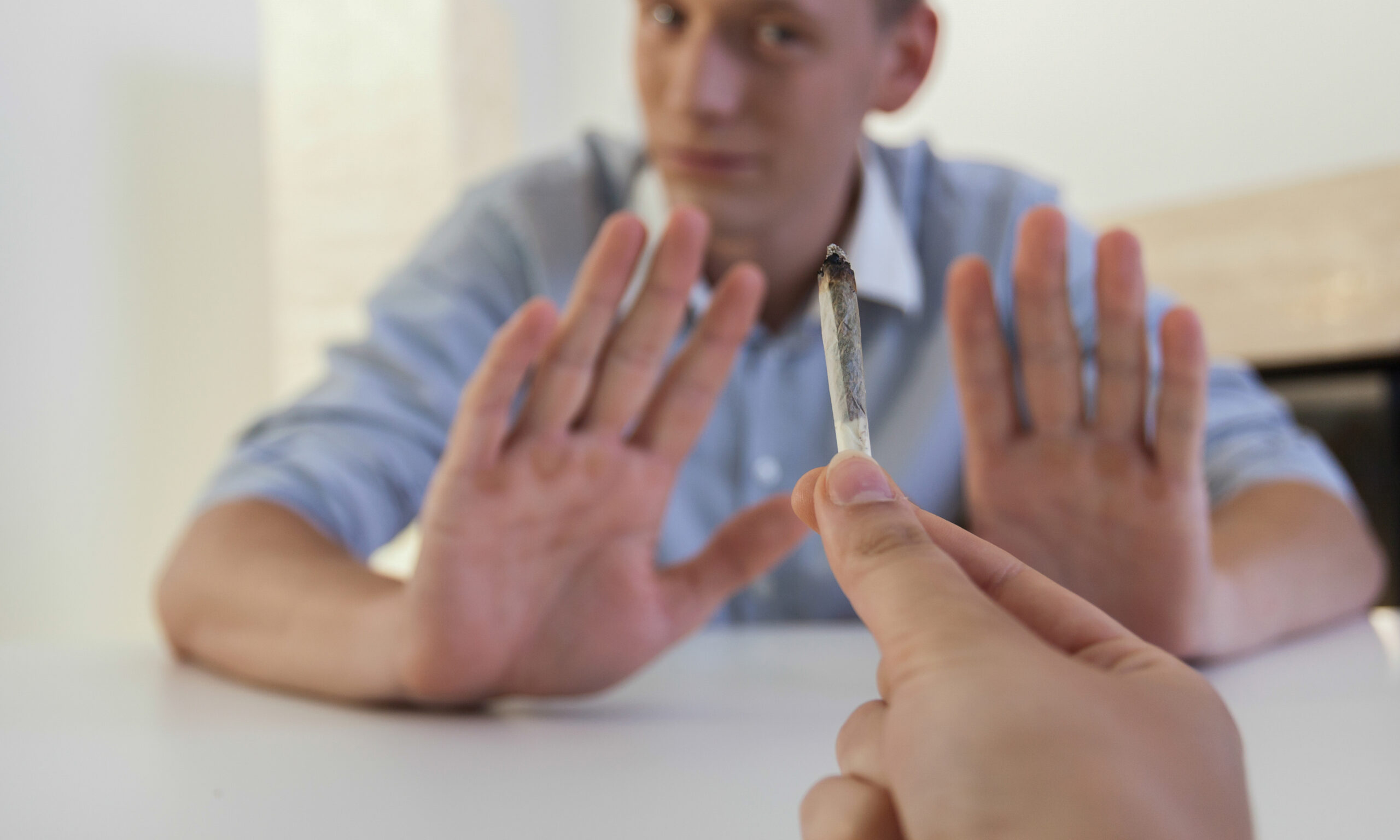
Most people don’t struggle to “quit marijuana” in theory. They struggle to quit in real life, when the same stress shows up, the same routines repeat, and access is still easy. If marijuana has become part of how you sleep, decompress, manage emotions, or get through the day, stopping can feel disruptive fast. That doesn’t mean you’re weak. It usually means weed has been doing a job in your life, and now you need a safer system to replace it.
This post is not about harm reduction or cutting back. It is about quitting completely and doing it with support.
Soledad House is a women-only recovery program in San Diego that can help you or your loved one begin a life without marijuana in a safe and supportive environment.
Why Quitting Marijuana Can Feel Harder Than People Expect
Marijuana is often dismissed as “not a real addiction.” Many women come in already carrying shame because they think they should be able to stop on their own. The problem is that marijuana use is rarely random. It tends to attach to specific times, feelings, and environments.
For example, a common pattern is the evening routine. The brain expects weed at the same hour, in the same place, with the same cues, and it has learned that this is how the day ends.
When you remove THC, those cues still show up. The craving is not always about wanting to be high. A lot of the time, it’s your nervous system expecting the same off switch it has been using.
What Marijuana Withdrawal Can Look Like
Withdrawal varies, but there are a few common themes. Irritability is common. Restlessness is common. Sleep disruption and vivid dreams are common. Appetite can shift. Mood can feel flat, anxious, or reactive. Cravings often hit in predictable windows, like after work, after dinner, or when you are alone.
A general timeline looks like this.
- In the first few days, many people feel uncomfortable in their own skin.
- Cravings can be strong, and sleep can be choppy.
- You may notice impatience, boredom, or a feeling of being keyed up.
- In the first one to two weeks, symptoms often peak.
- This is when the brain is still expecting the routine and the body is adjusting.
- Sleep can improve gradually, but it may feel uneven.
- Mood can swing.
- This is the stretch where structure matters most, because it’s easy to talk yourself into “just once” if you’re isolated.
- Around weeks three and four, many women notice greater mental clarity and better follow-through.
- Tasks feel easier. Focus returns.
- This is also when people sometimes drift, because they feel better and start skipping support. That’s one of the most common reasons a quit attempt collapses after early success.
- In the two to three-month range, cravings typically become less frequent, but triggers can still appear unexpectedly.
- This stage is less about crisis management and more about consistency, especially in meetings, check-ins, and routines that protect your progress.
Withdrawal and cravings are not evidence you are failing. They’re the expected adjustment period after a regular THC routine. Support exists so you don’t have to power through it alone.
How Structured Support Helps You Quit and Stay Sober
When you try to quit alone, the burden is on your willpower at the exact moments when willpower is the least reliable.
Structured treatment changes the conditions. It builds accountability into the week. It gives you professional support and peer support. It puts recovery in your schedule, instead of leaving it to “when you feel like it.”
It also helps you address the underlying reasons marijuana became a coping tool, which is often the difference between a short streak and long-term stability.
At Soledad House, marijuana addiction treatment is women-centered and recovery-focused. It’s designed for clients who are serious about quitting and ready for structure. Twelve-step involvement is treated as a practical tool throughout care, not as an afterthought.
What Treatment Looks Like at Soledad House
Soledad House offers a continuum of care in San Diego that begins with Partial Hospitalization Program, which then steps down to Intensive Outpatient Program.
Starting in Partial Hospitalization Program
The Partial Hospitalization Program is the structured phase that helps you stabilize early. It gives your week shape when cravings and mood swings can be unpredictable. It also gives you consistent clinical oversight and peer accountability at the point where most quit attempts tend to fall apart.
In this phase, recovery is not something you squeeze in. It becomes part of your routine. That’s the point. You’re building a new default.
Twelve-step participation matters here. Many women do better when meetings are scheduled early in the week, not only when they’re struggling. Meetings also give you a place to go during your high-risk hours, and they connect you with other women who have been through the same early recovery period.
Stepping Down to Intensive Outpatient Program
As stability improves, most clients step down into Intensive Outpatient Program. This phase focuses on applying what you are learning in real life and then bringing it back to treatment. It’s where you practice boundaries, manage stress without THC, and handle triggers without isolating.
This is also a key stage for twelve-step consistency. When life starts feeling better, people are more likely to skip meetings, check in and assume they can coast. Staying connected protects your progress.
Many clients use this phase to choose a home group, build a stronger recovery circle, and start engaging more consistently with step work and sponsorship if that’s part of their plan.
Structured Living
For many women, the hardest part of quitting is not “learning what to do.” It’s being in the same environment where they always used. Structured living can reduce exposure to triggers and reduce access, which makes it easier to stay consistent while routines stabilize.
Structured living also helps with the evening issue. A lot of marijuana use is tied to the quiet hours at home.
Structured living adds support, accountability, and a recovery-oriented routine during the exact window when many women are most vulnerable.
Aftercare
Aftercare is where women protect the progress they worked hard to build. This is the phase that reduces the common drift that happens after early improvement. It keeps recovery connected to real life, including ongoing meetings, community support, and a plan for stress, travel, holidays, and other predictable pressure points.
Aftercare also supports continued 12-step involvement. Long-term recovery is easier when you have a consistent meeting rhythm and people you can call before cravings turn into decisions.
12-Step Support and How It Fits into Marijuana Recovery
12-step support matters for marijuana recovery for a simple reason. Cravings often show up when you’re alone. Meetings reduce isolation, and they give you a consistent place to go when you’re tempted to shut down and handle it privately.
At Soledad House, the twelve-step process is reinforced throughout treatment and continuing care because it supports long-term stability. Meetings provide structure. They also provide relationships. The most useful part for many women is having people they can contact in real time, especially during their trigger hour.
Common Sticking Points: Sleep, Anxiety, and the Evening Trigger Hour
Many women hesitate to quit because they’re worried about how they’ll feel without THC, especially at night. It’s common to feel more emotionally reactive in early recovery. It’s also common to feel tired and wired at the same time.
That adjustment period is real, and it’s one reason structured support matters.
Soledad House helps women build other forms of regulation, including routine, clinical support, community accountability, and meetings. A stable day tends to create a more stable night.
The evening trigger hour is one of the most important concepts to understand. For many women, cravings aren’t constant. They hit at a specific time. Treatment helps you identify that time, plan for it, and replace it with structure.
Meetings are often one of the most effective replacements because they fill time, reduce isolation, and reinforce the recovery mindset when cravings are strongest.
If anxiety or trauma symptoms are part of your history, it’s important to address them directly. Many women used marijuana to manage symptoms they didn’t have tools for yet. Therapy and structured care can help you build coping strategies that aren’t dependent on THC.
When To Reach Out for Help
If you have tried to quit and keep returning to marijuana, that is a sign you may benefit from structured support. If you’re using daily, using in the morning, hiding your use, or feeling anxious when you can’t access THC, those are also signs it may be time to stop trying to muscle through on your own.
If you’re in San Diego and you want a women-only program that takes marijuana addiction seriously and supports full abstinence, Soledad House can walk you through the next steps. Reach out today.
Frequently Asked Questions
How long does marijuana withdrawal last?
Many symptoms start within the first few days. The first one to two weeks are often the toughest. Many women feel clearer by weeks three and four, but triggers can still show up for months. This is why continued structure and consistent meetings matter, even after you feel better.
Do I need treatment to quit marijuana?
Not everyone does. But if you keep trying and keep returning to use, treatment can be the missing piece. It provides structure, accountability, and support during the exact period when most people relapse.
How does 12-step support fit into treatment?
12-step participation supports recovery throughout care. Meetings provide structure, reduce isolation, and give you people you can contact during cravings. Many women also build toward a home group and sponsorship as part of their ongoing recovery plan.
What if my partner or roommates still use?
Early recovery is easier in a cannabis-free environment. If that’s not possible, boundaries are important. If your home environment keeps triggering use, structured living can provide separation and stability while you build routines and support.
Next Steps for Women Ready to Quit Marijuana
Quitting marijuana is not a character test. It’s a behavior change that usually requires changing routines, environments, and support. If you keep trying alone and it keeps not sticking, that’s not a sign to try harder in private. It’s a sign to get structure and community around you.