

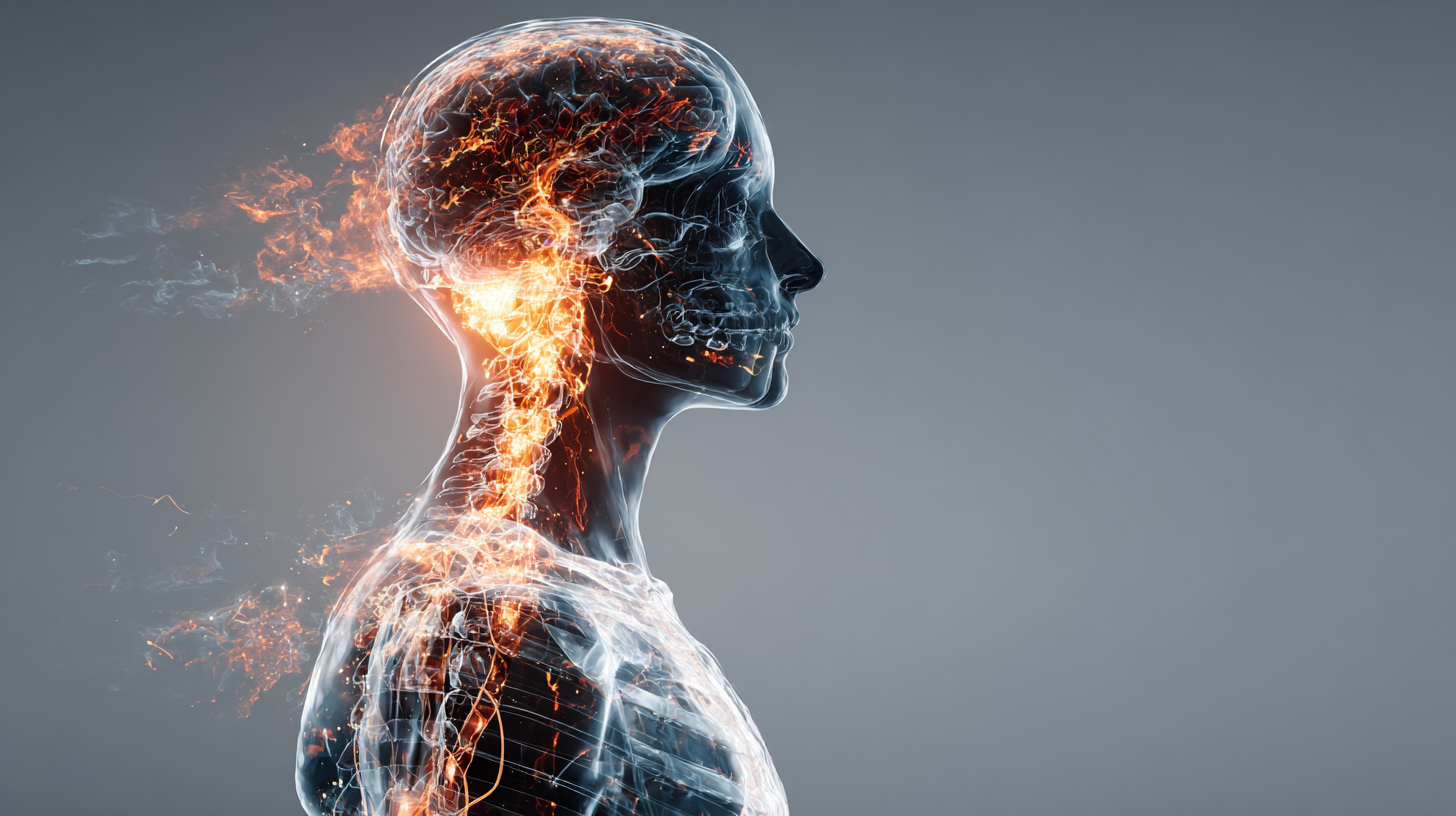
Methamphetamine effects on the body can be severe and often go far beyond the obvious signs of drug use. Meth can affect your brain’s reward system, the heart and blood vessels, the mouth, skin, sleep, appetite, mood and the ability to think clearly. For some people, it can also trigger paranoia, hallucinations or psychosis.
The effects can be scary, but the damage doesn’t mean hopelessness. The body and brain can start to heal when meth use stops and the right support is in place.
For women who are struggling with meth addiction, Soledad House provides women-centered treatment through PHP and IOP levels of care, with support for substance use, co-occurring mental health concerns, relapse prevention and long-term recovery planning.
Summary: What Meth Does to the Body and Brain
Methamphetamine is a powerful stimulant, and it carries with it a high addiction potential. It increases dopamine activity in the brain, reinforcing repeated use, and it can make normal sources of pleasure feel less rewarding over time.
Meth can also strain the cardiovascular system, disrupt sleep, suppress appetite, contribute to dental and skin problems and increase the risk of anxiety, paranoia and psychosis. Recovery is possible, but it usually will take structure, therapy, relapse prevention support and care for underlying mental health symptoms.
For women, meth recovery often also involves trauma, relationships, caregiving stress, body image concerns, shame or co-occurring anxiety, depression or PTSD. In a women-only treatment setting, it can be easier to openly address those issues.
What Meth Does to the Brain’s Dopamine System
Dopamine is a brain chemical involved in reward, motivation, movement, learning and reinforcement, and methamphetamine strongly affects it. Dopamine isn’t “bad.” It’s part of how the brain learns what matters, but the problem is that meth causes an unusually intense dopamine surge, teaching the brain to prioritize the drug.
At first, meth can create euphoria, energy, confidence, focus or a sense of control and over time the brain adapts. Normal rewards like food, rest, relationships, work, hobbies and daily accomplishments can feel flat or unrewarding, and that’s one reason meth addiction is so hard to stop.
Long-term meth use can affect your attention, memory, emotional regulation, impulse control and decision-making. It can also leave you feeling depressed, irritable, anxious, exhausted or unable to enjoy things without the drug.
Meth addiction treatment needs to address more than drug use itself. Recovery also means helping the brain rebuild structure, safety, connection and healthier reward patterns.
You can find more on how addiction changes the brain here.
Cardiovascular Effects: How Meth Strains the Heart
Meth doesn’t just affect mood or behavior. It also puts the body into a high-stress state so the heart may beat faster, blood pressure can rise, and blood vessels may constrict. This can lead to chest pain, palpitations, overheating, dehydration and more strain on the cardiovascular system.
With repeated or heavy use, meth can increase the risk of serious complications like irregular heartbeat, heart attack, stroke and damage related to chronic high blood pressure. The risks may be higher when meth is combined with other substances, used during long binges or paired with little sleep, poor nutrition or dehydration.
You don’t necessarily have to “look sick” for meth to be affecting the heart. Stimulant stress can quietly build until symptoms get harder to ignore.
Dental, Skin, Weight and Sleep Effects
Many visible meth effects on the body are connected to how it changes appetite, sleep, hydration, hygiene and behavior.
Dental problems are common because meth use can contribute to dry mouth, teeth grinding, jaw clenching, high-sugar drink intake, missed dental care, gum problems, cavities and tooth damage.
Skin problems can also happen because some people scratch or pick at their skin because of anxiety, stimulant effects or the sensation that something is crawling on or under the skin. This can lead to sores, scabs, infections and scarring, and poor sleep and nutrition can slow down the healing process.
Meth can disrupt appetite and sleep, and during active addiction someone may lose weight quickly, stay awake for long periods and then crash into exhaustion. These cycles can physically weaken a person and make emotional regulation even harder.
Methamphetamine and Psychosis Risk
Meth can cause serious mental health symptoms, especially if use is heavy, frequent or long-term. Some people experience paranoia, hallucinations, agitation, panic, suspicious thinking or a feeling that others are watching or threatening them. These symptoms may happen during intoxication, withdrawal or periods of prolonged sleep deprivation.
It can be terrifying for the person experiencing meth-related psychosis and for their loved ones. It can also be confusing because symptoms can overlap with anxiety, trauma responses, bipolar disorder or other mental health conditions.
When meth use and mental health symptoms happen together, treatment needs to look at both. Soledad House offers dual diagnosis support for women whose substance use is connected with depression, anxiety, trauma, PTSD, mood instability or other co-occurring concerns. When it’s clinically appropriate, treatment planning may also involve coordination around psychiatric support, medication management or ongoing mental health care.
Why Can Meth Addiction Affect Women Differently?
Meth addiction can affect anyone, but women often have specific pressures they’re facing. Meth use may be tied to trauma, relationships, body image, emotional pain, caregiving stress, parenting concerns, sexual exploitation or attempts to manage exhaustion and depression.
National data show methamphetamine use disorder as a major public health issue, with SAMHSA reporting that around 1.8 million people aged 12 or older had methamphetamine use disorder in the past year.
For women, shame can become a major care barrier. Too often women delay getting treatment because they’re afraid of being judged as a mother, partner, daughter, professional or caregiver. Others have been in mixed-gender treatment environments where they didn’t feel safe discussing trauma, relationships, sex, parenting or body-related concerns.
Since Soledad is a women-only treatment program, women tend to heal in a way that feels more true to their needs because the setting is designed around their experiences. Treatment can focus not just on stopping meth use but on emotional safety, community, self-worth, relapse prevention and the mental health issues that may drive continued use.
What Does Meth Recovery Look Like?
Meth recovery isn’t instant. A lot of women expect to feel better as soon as they stop, and then they can feel discouraged when things like cravings, fatigue, depression or brain fog continue. That doesn’t mean recovery is failing, though. It means the brain and body are resetting and rebalancing.
In the first few days and weeks, people may experience exhaustion, increased sleep, irritability, anxiety, low mood, strong cravings, an increased appetite and trouble concentrating. Some people also feel emotionally numb or unmotivated.
During the first month, sleep and appetite may stabilize, but mood and energy may still fluctuate. Over several months, cravings may become more manageable, and memory, focus, emotional control and motivation usually continue to improve.
Research on dopamine transporters in people with a history of meth use has found evidence of significant recovery with prolonged abstinence. However, cognitive recovery may take longer and may not happen at the same pace for everyone.
Treatment helps because recovery isn’t just waiting for time to pass. It means building daily structure, identifying your triggers, learning coping skills, repairing relationships when possible, treating mental health symptoms and creating a relapse prevention plan that works in real life.
How Soledad House Helps Women Recover From Meth Addiction
Soledad House provides women-centered treatment for meth addiction through partial hospitalization and intensive outpatient levels of care. These programs are a fit for women who need structured addiction treatment while they work on building the skills and support needed for daily recovery.
Care may include therapy, relapse prevention planning, support for co-occurring mental health concerns, peer connection, recovery education and help creating healthier routines. For women with meth use connected to trauma, anxiety, depression, relationship patterns or emotional distress, dual diagnosis care can be a critical part of treatment.
Soledad House doesn’t treat meth addiction as a character flaw. While meth does change the brain and body, recovery also involves the whole person. A women-only environment can make it easier to speak honestly, reduce shame and practice recovery with support from others who understand. Soledad House helps women take the next step with compassionate admissions support and treatment options.
FAQs About Methamphetamine Effects on the Body
How long do methamphetamine effects on the body last after someone stops using?
Some short-term effects, such as increased heart rate, poor sleep and appetite changes, may start to improve within days or weeks after stopping. Other effects, such as mood changes, cravings, dental problems, skin healing and cognitive symptoms, can take longer. The timeline depends on how long someone used meth, how often they used it, their overall health and if they have support during recovery.
Why do people feel so depressed or exhausted after quitting meth?
Meth overstimulates the brain’s reward and energy systems. When use stops, the brain may need time to regulate dopamine, sleep, appetite and mood again. That can leave a person feeling drained, emotionally flat, irritable or like they can’t enjoy normal activities for a while. These symptoms, while common in early recovery, are also a reason structured treatment and mental health support can be so important.
Is meth addiction usually treated with medication?
There’s not a single FDA-approved medication that “cures” meth addiction. Treatment instead usually focuses on things like therapy, behavioral support and mental health care. When it’s clinically appropriate, Soledad House may provide care planning that includes psychiatric support and medication management.
Can the brain recover after meth addiction?
The brain can start to heal after meth use stops, but recovery takes time. Mood, sleep, motivation and concentration may improve gradually with abstinence, therapy, healthy routines and support. Some dopamine-related changes often improve with prolonged abstinence.
Can meth cause psychosis?
Yes. Meth can cause paranoia, hallucinations, agitation and suspicious or disorganized thinking. These symptoms may happen during use, withdrawal or after prolonged use, and meth-related psychosis should be taken seriously.