

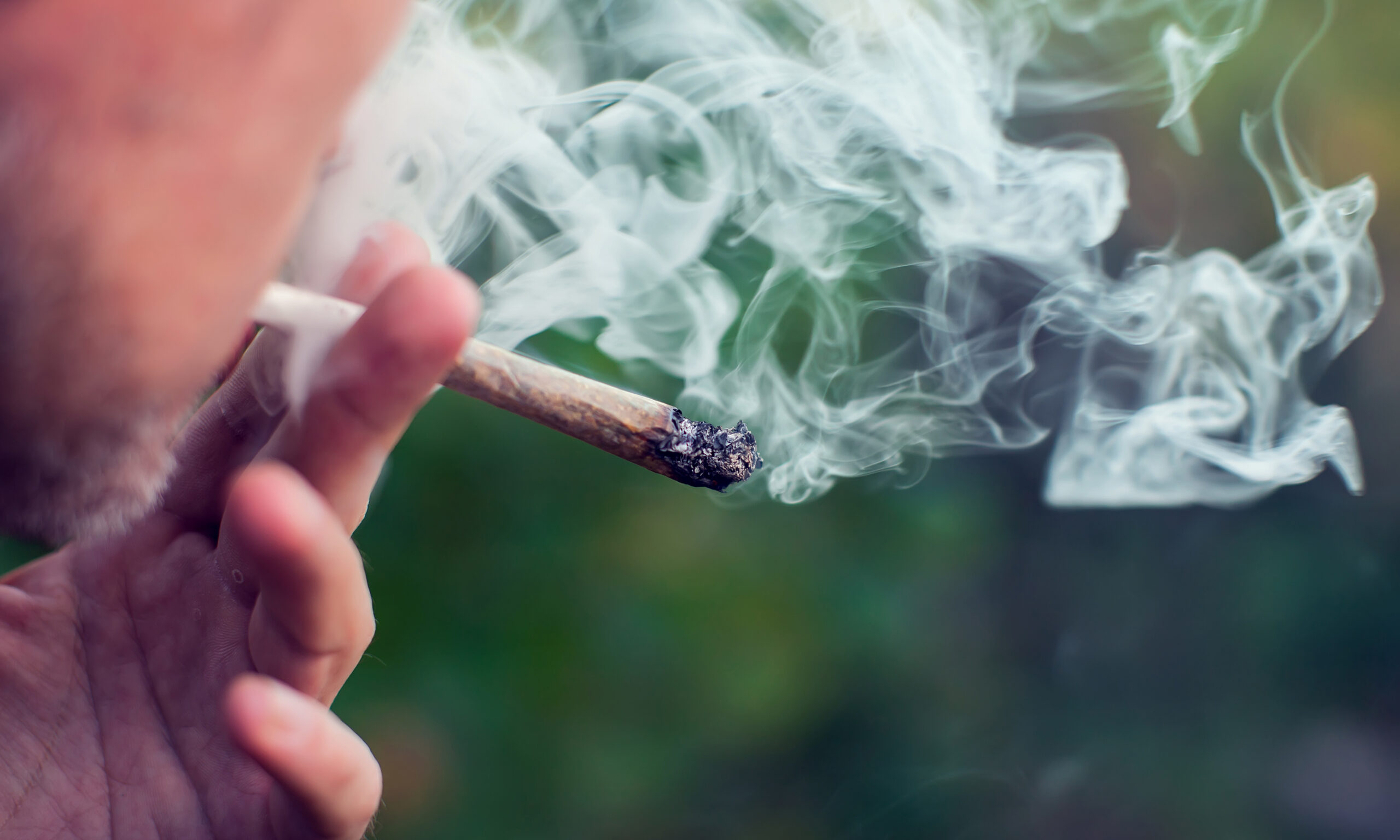
There’s an unfortunate tendency among many people to treat marijuana like it can’t become a “real” addiction problem. That’s one reason the signs often get missed. A woman may tell herself it’s harmless and just helping, or that it’s about relaxing, sleeping, or coping with stress. She may still be functioning on the surface, going to work, managing responsibilities and keeping the issue mostly private, but stereotypes don’t define addiction.
It’s defined by loss of control, dependence, and continued use even when it’s clearly affecting daily life.
Marijuana addiction may not look dramatic at first, but it tends to build slowly. What starts as occasional use can turn into something you depend on mentally and emotionally. You may start planning your day around it, feel unable to unwind without it, or get defensive when anyone questions it. Over time, the issue becomes less about enjoying marijuana and more about needing it.
Recognizing early signs and getting help matters. At Soledad House, women can get support through multiple levels of care and recovery programming, including a partial hospitalization program, intensive outpatient program, outpatient programming, sober living, extended care, aftercare, relapse prevention, family support and a 12-step framework. For women dealing with marijuana use, mental health symptoms or both at the same time, Soledad House can help interrupt the pattern.
How Marijuana Addiction Develops
Marijuana addiction often develops because of the way the drug affects your brain’s reward and stress systems. When you use marijuana, it can temporarily create relaxation or a sense of relief, and that can teach your brain to connect with marijuana to deal with negative feelings. The more you turn to it, the more the pattern is reinforced.
Over time, the brain can start expecting marijuana as an answer to discomfort. As tolerance builds, the same amount may no longer feel enough. At that point, marijuana isn’t just something you’re using. It’s something your brain and body count on.
Why Marijuana Addiction Can Be Easy to Miss
Marijuana addiction often gets missed because people compare it to harder drugs and decide it’s not serious enough to count. That thinking can cause a lot of problems. A woman may use marijuana every day, rely on it to cope, and struggle to stop, but still tell herself it’s not a real addiction because it doesn’t look severe enough from the outside. That minimization can keep someone stuck for a long time, while consequences grow.
Marijuana can also be easy to justify. For example, people might use it to relax, sleep, reduce stress or shut off their thoughts for a while, and because those reasons sound common and socially acceptable, use can feel normal even if it’s becoming compulsive.
You might not notice how much it’s affecting you because the consequences are building gradually. You may just feel a little less motivated, a little more detached or a bit more dependent on it than you used to be.
Many women may also stay outwardly functional while privately struggling. They might still handle work, parenting or day-to-day tasks well enough that no one immediately sees a crisis, but functioning doesn’t mean being healthy. It also doesn’t mean in control. You can still be addicted while hiding the depth of the problem behind routine and appearance.
Marijuana addiction often grows quietly, gets explained away and blends into daily life until it takes up more space in your life than you want to admit.
One of the clearest signs of marijuana addiction is that it doesn’t feel optional anymore. It feels like something you need to function.
That kind of dependence isn’t always physical. It’s often emotional and mental. You may feel irritable, anxious or uneasy without marijuana. You might start reaching for it when you’re uncomfortable, overwhelmed, bored or low, and then you’re no longer coping directly. You’re depending on a substance to change how you feel.
Loss of Control Is a Warning Sign
Another big sign of marijuana addiction is losing control over how much or how often you use. Maybe you tell yourself you’re going to cut back or you set limits on your use, but you don’t stick to them.
Addiction isn’t just about using a substance. It’s also about not being able to stick to the boundaries you set for yourself. You may notice you’re using more than you plan, using earlier in the day than you mean to, or you keep going back to use after deciding you’re done. Even if you feel frustrated or guilty about it, the pattern keeps repeating.
Repeated failed attempts are usually a sign that the problem is stronger than you may even realize. When your intentions and behavior keep going in opposite directions, it’s a warning sign.
Marijuana Addiction Often Starts Affecting Mood, Motivation, and Mental Clarity
Marijuana addiction may show up in your mood and day-to-day mental functioning. You could notice things like irritability, feeling emotionally flat, anxiety, or you could just feel generally lower than you used to. You might also start feeling disconnected in your life in a way that’s hard to explain. Rather than feeling present and engaged, you may feel dulled and less emotionally available.
Motivation may drop, and things that used to matter may start feeling harder to care about. You put things off more, follow through less or lose interest in goals and routines that once gave you structure. It doesn’t necessarily happen all at once, but when it builds over time, it can start to have a big impact on how you function.
Mental clarity can also take a hit, with symptoms such as fogginess, reduced focus, forgetfulness, or slower overall response.
Relationships and Responsibilities Can Start to Suffer
You may become less present in your relationships, less reliable with your responsibilities, or more defensive when others raise concerns. You might pull away from family, stop communicating well or act like everything is fine when it’s not.
Responsibilities can start slipping, and work, parenting, school, or household tasks can become harder to stay on top of. Sometimes the problem is pretty obvious, but other times it can look more like inconsistency, distraction, or emotional check-out. Even if you’re technically getting things done, the quality of your presence and follow-through may be declining.
This can be the point at which others start noticing the problem.
Withdrawal and Cravings
Too often, people assume marijuana can’t cause withdrawal, but that’s not the reality. You may feel noticeably off if you regularly use marijuana and stop. Marijuana withdrawal symptoms can include irritability, restlessness, problems sleeping, anxiousness or moodiness. You may feel generally edgy as well.
If you keep thinking about marijuana, looking forward to it or feeling pulled to use when you’re stressed and uncomfortable, those are significant signs of addiction.
These symptoms are also among the reasons people find themselves stuck in the same cycle. They stop, feel bad, then use again just to feel more “normal.”
When Marijuana Addiction and Mental Health Issues Start Feeding Into One Another
Marijuana addiction can get more complicated when mental health is also part of the broader picture. You could start using it because you’re feeling anxious or depressed, for example, then marijuana use makes those problems worse, and at that point, both issues are influencing each other.
This gets hard to untangle, and you might not know if what you’re going through is from the marijuana, the mental health issue or both.
When marijuana becomes part of how someone is managing mental health symptoms, it can be harder to break the addiction without addressing both sides at the same time.
What Marijuana Addiction Treatment May Need to Address
Treatment for marijuana addiction isn’t just about getting someone to stop using it. That’s part of it, of course, but not the whole job. A woman may also need to work toward understanding why marijuana became so important in the first place and what she’s been using it to avoid, numb or manage.
Often this means working on coping skills, emotional regulation, daily structure, relapse prevention and mental health symptoms that may be tied to the addiction. If marijuana has become the default response to stress, sadness, boredom, loneliness or anxiety, recovery has to include healthier ways to deal with those states. Without that, the same pressure that led to using it will still be there.
Truly effective treatment helps a woman do more than remove a substance. It helps her build the ability to function well without depending on it.
How Soledad House Supports Women in Marijuana Addiction Recovery
At Soledad House, we offer a continuum of care. Early on, women usually need more structure, accountability and clinical involvement. Later, they may still need treatment, but in a way that gives them more room to rebuild daily life while staying supported.
Our partial hospitalization program (PHP) is generally the starting point, providing a higher level of structure when you need strong support in early recovery. Intensive outpatient treatment (IOP) can give your clinical care more flexibility as you move forward. Structured sober living adds another support layer by providing a recovery environment that reinforces accountability and routine outside formal treatment hours.
We also offer extended care, ongoing outpatient treatment and aftercare support, because recovery doesn’t end when the most intensive phase of treatment does. You need continued guidance, relapse-prevention planning, and recovery support over time. The right level of care should match what a woman needs clinically and practically at that stage of recovery.
Recovery is also about learning how to live differently. As part of this, programs at Soledad House can include family support, relapse prevention, community accountability, and a 12-step framework to help women stay connected to recovery beyond formal treatment sessions.
You’re working not just toward abstinence from marijuana. You’re rebuilding stability, self-respect and patterns you can maintain.
If you feel dependent on marijuana, can’t stick to limits you set, keep going back to it or see it affecting various parts of your life, take it seriously and reach out for help from Soledad House.
Marijuana Addiction FAQs
Can marijuana addiction look different in women than people expect?
Yes. It doesn’t always look dramatic or obvious. A woman may still be keeping up with responsibilities while privately relying on marijuana more and more. The problem may show up through secrecy, emotional defensiveness and the feeling of not being able to fully settle down without using.
Why do people dismiss marijuana addiction for so long?
Marijuana is often viewed as low risk compared to other drugs, which can make it easier to excuse patterns that would raise concerns with something else. Often, people will tell themselves it’s helping with stress or sleep, and that delays recognizing that the real issue is dependence and loss of control.
Can someone use marijuana just at night and still have an addiction?
Yes, addiction isn’t just about what time of day someone uses. If you feel like you have to use every night, become distressed without it or can’t stick with your attempts to cut back, that can still point to a real problem. Routines can still be an addiction.
Why is marijuana addiction hard to address without treatment?
Many women aren’t just attached to the substance. They’re attached to what it does for them emotionally. If marijuana has become the main way to shut off stress, avoid painful feelings, or feel temporarily okay, stopping can leave a gap. Treatment helps fill that gap with healthier structure, coping tools and support.
Is it a bad sign if someone gets defensive when marijuana use comes up?
It can be. Defensiveness doesn’t prove addiction by itself, but it often signals that the person feels threatened by the topic for a reason. When someone repeatedly minimizes use, avoids honest conversations or reacts strongly when others bring it up, it may suggest the pattern has more control than they want to admit.