

Addiction recovery is about more than stopping drugs and alcohol. It’s also about building a life that feels stable and healthy enough as well as meaningful enough to protect your long-term sobriety. That’s part of why location can matter more than you might initially think. The place where you start recovery can affect your stress levels, routines, mindset, access to support and the ability to step away from the people and patterns that kept addiction going.
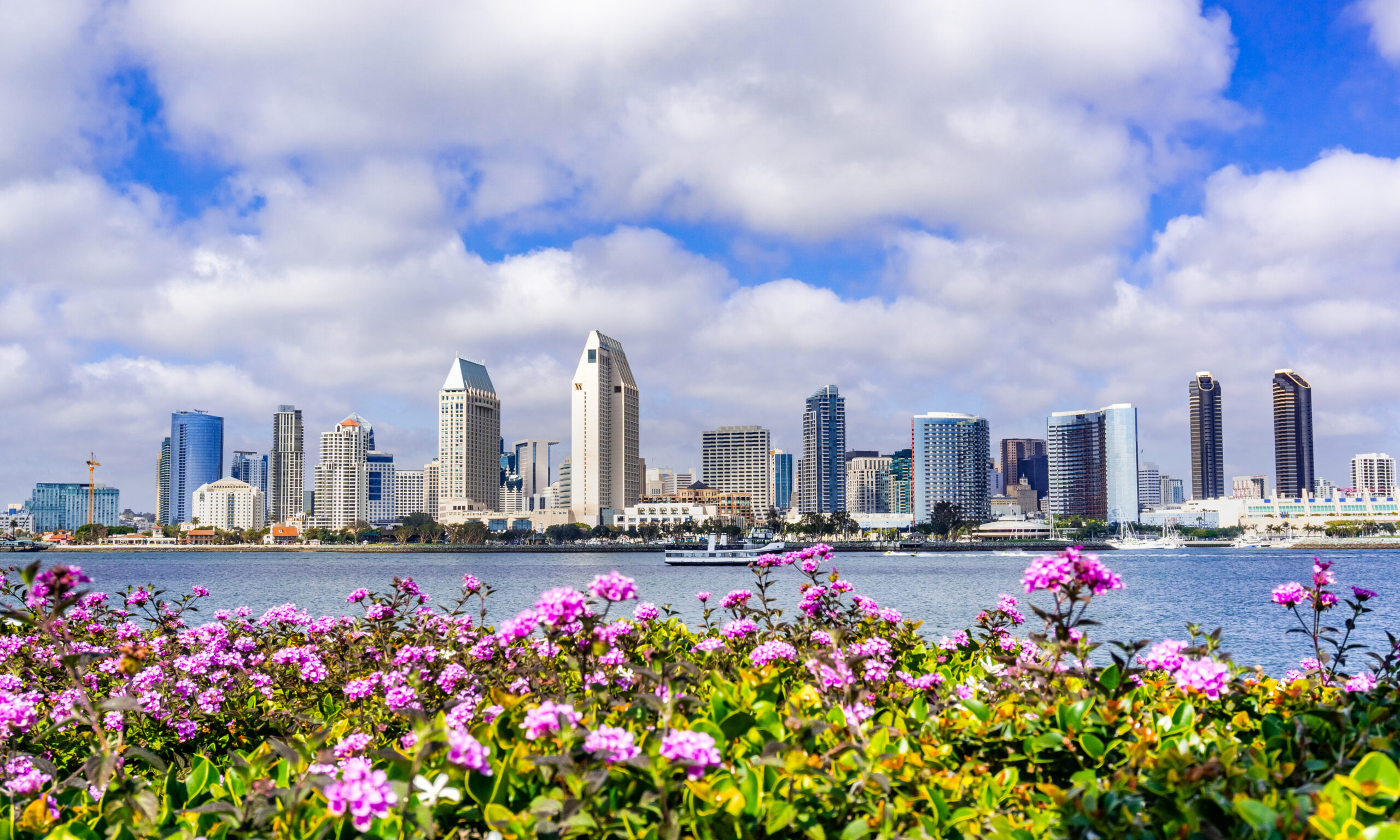
For many women, San Diego can offer an environment that makes early recovery feel more possible. It’s a city known for its mild climate, outdoor spaces, active recovery community and strong wellness culture. If you’re trying to reset your life, those things aren’t superficial.
They can support structure, movement, emotional regulation and connection, all of which matter in recovery. That said, location alone isn’t enough. Real healing still takes treatment, accountability, and support that continues after the first few weeks.
At Soledad House, women can work through recovery in a setting combining clinical care, community support, sober living and a 12-step framework that helps create structure beyond treatment alone. San Diego is a strong place to start over, but recovery also becomes more sustainable when that environment is paired with a program designed to help women build something new.
An Environment Change Can Help You Break Out of Old Patterns
One reason San Diego can be a good place for recovery is that a change in environment can make it easier to interrupt the patterns that kept addiction going. Substance use rarely happens in isolation. It usually becomes tied to specific places, people, routines, and emotional states.
You might drive past the same liquor store every day, spend time with the same group that uses or keep living in a setting where stress, conflict or instability make old coping habits more likely to return. When all of that stays the same, especially early on, recovery can feel like you’re trying to build a new life in the middle of the old one.
Creating distance from that environment can help. It doesn’t mean you’re running from your problems. It means you may finally have enough separation from the cues and pressure around you to see them clearly and respond differently.
Early recovery often requires that kind of reset. When you’re no longer surrounded by the people, expectations and habits that feed active addiction, you may have more room to focus on treatment, reflect honestly and start practicing new behaviors.
For some women, coming to San Diego for recovery can serve that exact purpose, representing a step away from chaos, unhealthy relationships or a daily routine built around survival rather than healing. While a new setting isn’t going to solve addiction on its own, it can lower some of the noise that makes change harder.
Recovery often starts with breaking momentum, but before you can build healthier routines, you usually have to get out of the ones that keep pulling you back.
San Diego’s Climate and Outdoor Access Can Support Daily Recovery Habits
San Diego can also be a strong place for recovery because the local environment makes it easier to build healthy daily habits. In early recovery, people often need more than therapy sessions alone. They need structure across their whole day. This might include getting up at a regular time, leaving the house, moving their body, managing stress, and learning how to sit with emotions without immediately trying to escape them. While those habits can initially sound simple, they’re often some of the hardest things to rebuild after the disruption addiction causes to daily life.
San Diego’s climate can make maintaining the process easier. When the weather is consistent and outdoor spaces are easy to access, it’s more realistic to go for walks, spend time outside, and create routines. The more you can practice healthy routines day after day, the more those routines feel normal instead of forced.
Outdoor access can also support emotional balance. When you spend time outside, you have a space to decompress, reflect, and manage stress in practical ways rather than abstract ones. A walk near the beach, fresh air after a tough therapy session, or a quiet moment outside can become part of how you learn to slow down instead of reacting.
San Diego Has a Strong Recovery Community
San Diego gives many people access to a larger recovery community, which is important because addiction tends to isolate people. Even when others surround someone, she may still feel cut off, ashamed, misunderstood or disconnected.
As isolation begins to lessen, recovery feels more doable. Being around people with a firsthand understanding of addiction can make a real difference, especially in the early stages when everything still feels unfamiliar and emotionally raw.
A strong recovery community can provide something treatment alone can’t fully replace: a lived example. It helps to see other people who have gone through relapse, grief, fear, family damage and major life changes and are still moving forward. It also gives women a chance to build relationships not rooted in substance use, secrecy, or survival mode.
In a city like San Diego with an active recovery presence, women have more chances to find peer support, shared accountability and sober connection outside formal treatment hours.
A 12-Step Framework Gives Ongoing Structure in Recovery
For many women, a big advantage of starting recovery in a place like San Diego is the ability to stay connected to a 12-step framework alongside treatment. Clinical care is critical, but recovery also needs structure during the hours between therapy sessions and after formal treatment becomes less intensive.
That’s where a 12-step approach comes in, since it gives you a practical system for staying engaged in recovery over time, rather than treating sobriety like a short-term project.
Our goal at Soledad House is to help women build a foundation they can keep using in everyday life. A 12-step framework supports this by giving them a recovery language, community and a set of principles they can return to when stress, cravings or setbacks show up.
San Diego’s Wellness Culture Can Reinforce a Healthier Lifestyle
San Diego can also support recovery because the broader culture often aligns with the kind of lifestyle changes many women are trying to make. Recovery isn’t just about taking substances out of the equation.
It’s also about learning to live in a way that feels healthier and steadier. When the surrounding culture makes those things feel normal, recovery starts feeling more realistic.
Of course, addiction recovery is much deeper than wellness as a cure or self-care, but there’s still value in being in a place where healthier habits are easier to picture and practice. When you’re a woman trying to rebuild your life, it can help to be surrounded by examples of people who prioritize physical activity, time outdoors, balance, and daily routines that aren’t centered on drinking or chaos.
When your life starts to feel better, more peaceful, and more aligned with your values, sobriety can start feeling less like constant deprivation and more like a life you want to protect.
Being in San Diego Can Help Some Women Fully Focus on Treatment
For many women, one of the hardest parts of starting recovery isn’t admitting there’s a problem. It’s stepping away from everything that competes with treatment once they do.
Women often carry a lot before they ever arrive in rehab. They may be dealing with parenting stress, unstable relationships, work pressure, financial strain, guilt, shame or the constant expectation that they should keep functioning no matter how overwhelmed they feel. When life is crowded with those demands, it can be hard to slow down enough to actually engage in your healing.
That’s part of why San Diego can be a good place for recovery. For some women, getting treatment in a setting away from their everyday environment creates the distance needed to focus and reduce the noise. When you’re no longer responding to the same daily pressure, you may have more capacity to participate in therapy, think more clearly, and recognize patterns that have kept you stuck.
Recovery work requires more than showing up physically. It requires emotional attention, honesty and energy. If you’re still being pulled in many directions at once, you may struggle to fully engage even if you genuinely want help. Stepping into treatment in a place like San Diego can create the kind of pause that makes deeper work possible, and you have the time to focus on yourself.
How Soledad House Supports Women Building Recovery in San Diego
The value of Soledad House isn’t just our location in San Diego. It’s that we’re a place where women can pursue recovery within a program built around structure, community and ongoing support. A strong environment matters most when paired with a treatment model that helps women actually use it to create change.
At Soledad House, we offer a continuum of care that provides women with multiple levels of support as they move through recovery. That matters because healing isn’t usually linear, and most women don’t need the exact same intensity of care at every stage.
With programs including partial hospitalization, intensive outpatient treatment, sober living, family programming, relapse prevention support, extended care and aftercare, recovery can continue in a way that feels connected instead of fragmented. Rather than treating rehab like a single, isolated phase, our structure lets women keep building on the progress they’ve already made.
If you’d like to learn about Soledad House and how San Diego can support your larger rebuilding process, reach out today.
FAQs About Recovery in San Diego
Is moving to San Diego enough to help someone stay sober?
No. A move can help by creating distance from triggers, unhealthy routines or destructive relationships, but doesn’t treat addiction by itself. Recovery usually lasts when a new environment is paired with treatment, accountability, sober support, and a plan for what happens after the earliest stage of care.
What makes one city better than another for recovery?
A good recovery setting usually offers access to treatment, a strong sober community, safe and supportive living options and opportunities to build healthier routines. The best location is one that gives someone the best chance to be engaged in real recovery work over time.
Are 12-step meetings easy to find in San Diego?
San Diego is widely known for having an active recovery community, which is one reason many people are drawn here for treatment and sober living. For someone who benefits from peer support and a 12-step framework, being in a city with a strong recovery presence can make it easier to stay connected and consistent.
What should someone look for in a women’s recovery program in San Diego?
They should look for more than just a nice location. The stronger questions involve treatment structure, levels of care, sober support, family involvement where appropriate, relapse prevention planning, and whether the program helps women continue their recovery after the most intensive phase of treatment ends.