

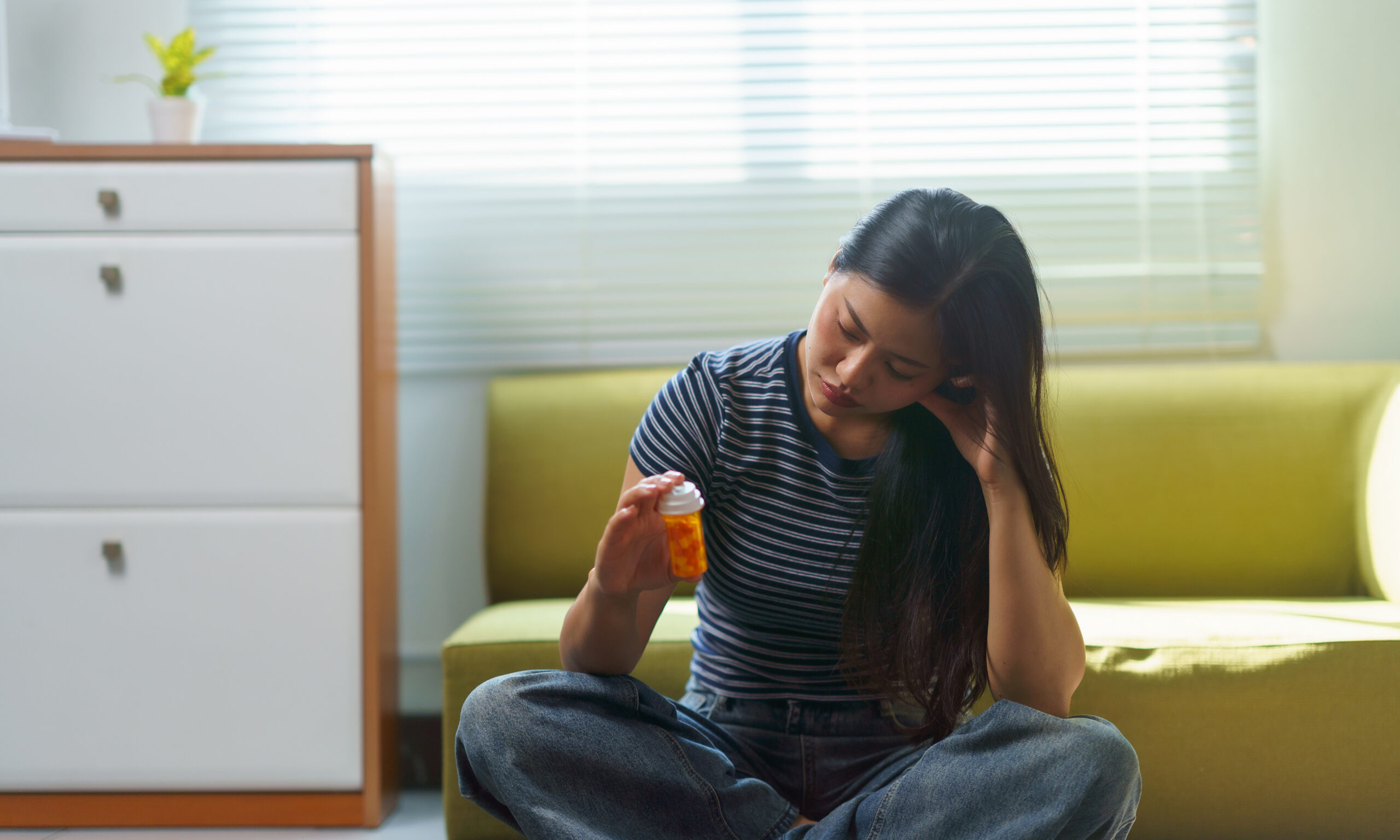
Prescription drug addiction can be complicated, and often doesn’t look the way people expect it to look. In many cases, it starts with an actual prescription, real symptoms, and a reason that makes sense at the time. A woman may first be given medication for pain after surgery, anxiety during a stressful period, sleep problems or attention-related issues. It doesn’t seem alarming on the surface, but unfortunately, for some women, what starts as legitimate use can slowly shift into dependence, misuse or addiction.
Part of what makes the issue so difficult is how easy it can be to miss. Prescription drug addiction often develops quietly. A woman might still be going to work, taking care of kids or family, managing a home, or just generally appearing like she’s “together” from the outside. At the same time, though, she could be relying more heavily on medication to get through the day, regulate emotions, sleep, calm down or function at a certain level. Since the substance often came from a doctor at some point, it can be easier to justify the problem or deny how serious it has become.
At Soledad House, we know addiction is something that usually connects to more than the substance itself. For a lot of women, prescription drug misuse is tied to stress, trauma, anxiety, depression or patterns of coping. For those reasons, care needs structure and depth.
We offer a continuum that includes partial hospitalization, intensive outpatient treatment, outpatient programming, sober living, family support and extended care, within a 12-step-based framework. These supports matter when a woman is trying to stop the medication misuse while also addressing the emotional and behavioral patterns underneath it.
What Is Prescription Drug Addiction?
Addiction is more than just taking a medication that was prescribed. There are key differences between proper medical use, physical dependence, misuse and prescription drug addiction. You can take a medicine exactly as prescribed and still develop physical dependence, meaning the body’s adjusted to the drug and may react if it’s suddenly stopped. Addiction goes further than that. It involves compulsive use, growing loss of control, and continued use even when the medication is causing harm.
Several categories of prescription drugs can lead to both dependence and addiction.
Opioid pain medications may be misused because they reduce physical and emotional pain. Benzodiazepines can become a problem if someone is heavily relying on them for anxiety, panic or sleep. Sleep medications can shift from occasional use into something a person feels unable to do without. Prescription stimulants may be used to keep up with work, energy demands, weight concerns or a need to stay mentally sharp.
Prescription drug addiction is easy to misunderstand because there’s an assumption that legal medicine is automatically safer or less serious than other substances. A prescription can still become something a woman depends on emotionally and physically, especially if it starts filling a role that goes beyond the original medical reason.
Once the medication becomes a way to cope, escape, regulate mood or feel normal, the line between use and addiction tends to quickly narrow.
How Does Prescription Drug Misuse Start?
Prescription drug misuse doesn’t usually start in ways that initially seem dramatic. A woman could start taking a medication exactly as prescribed, then start reaching for it a little earlier, taking an extra dose during a hard week, or using it for reasons beyond the original medical issue. What started as treatment for pain, anxiety, sleep problems or focus can turn into a coping tool for stress, emotional exhaustion or feeling unable to keep up.
Sometimes, the shift happens because tolerance builds. The same dose doesn’t feel as effective, so more starts feeling necessary. In other cases, the change is at first more psychological than physical. A woman may start to think she can’t calm down, sleep, function or get through the day without the medication.
Misuse can also begin with rationalizations that sound manageable in the moment. Maybe the thought is that it’s just temporary, only during a stressful season or only because the prescription came from a doctor in the first place. But once the medicine becomes part of how someone regulates emotions or escapes discomfort, what looks like a small thing can turn into something much harder to control.
Common Risk Factors for Women and Prescription Drug Addiction
There’s no single reason prescription drug addiction develops, but there are some risk factors that can make it more likely. Anxiety, depression, trauma history, chronic stress and unresolved pain are all common pieces of the picture. If a woman is already carrying a lot internally, medication can start feeling like more than treatment.
Chronic pain and sleep problems can also increase the risk. If someone’s dealing with ongoing discomfort or exhaustion, the appeal of fast relief becomes stronger. The same is true for women who are facing caregiver burnout, postpartum struggles, relationship stress or isolation. When daily life feels relentless, it’s easier for medication use to become habitual and emotionally loaded instead of limited and medical.
Signs a Woman May Be Struggling with Prescription Drug Addiction
The warning signs can be subtle in the beginning, which is part of why prescription drug addiction often goes unrecognized for a long time. Signs can include running out of medication early, thinking frequently about taking the next dose, or feeling anxious when the supply is getting low. She may also need more of the same medicine to get the same effect she used to get from less.
Other signs may appear in behavior and mood. She might seem more sedated, mentally foggy, emotionally flat, irritable, or unusually defensive when medication use comes up. She might start to make excuses for why she needs early refills, borrowing medication from someone else, or becoming preoccupied with keeping access to the drug. Even if she’s still meeting responsibilities on the surface, her life may be becoming more organized around the medication than she wants to admit.
There may also be signs the medicine isn’t being used for the original reason it was prescribed. If a woman is using it to manage stress, numb emotions, sleep when upset or feel able to function, that can point to a deeper problem. The issue isn’t just whether the medicine is being taken. It’s the role it’s started playing in her life, and whether she still has real control over that pattern.
The Impact of Prescription Drug Addiction on Mental Health and Daily Life
Prescription drug addiction can change a lot more than a woman’s relationship with medication. Over time, it can affect how she thinks, feels, responds to stress and manages everyday life. A medication that once seemed to help can start to cause symptoms like emotional instability, mental fog, low motivation, irritability or increased anxiety when it wears off.
These can have a serious impact on daily functioning. A woman may have a harder time staying present at work, following through on responsibilities, on maintaining patience, and connecting in relationships. She may become more withdrawn, less emotionally available or more reactive than usual. Her day can start revolving around whether she has enough medication, when she can take it and how she feels between doses. Even if she’s still technically functioning, life may feel narrower, heavier and more exhausting.
There’s also a psychological burden with prescription drug addiction. A lot of women feel trapped by the contradiction of knowing the medicine is a problem, while also feeling unable to stop. That can create shame, secrecy and a growing sense of isolation.
Why Prescription Drug Addiction Can Look Different in Women
Prescription drug addiction can play out differently in women because the context around it is often different. Women are frequently prescribed medications for anxiety, insomnia, pain and stress-related issues, and they may also be juggling a lot of other pieces in their lives or mental health symptoms at the same time. The combination can create the conditions for medication use to become more than temporary or medical.
Women may not use prescription drugs in obviously reckless ways, at least not at first. They may be trying to stay functional, not fall apart or push through the demands of daily life. A woman may take more than prescribed because one pill doesn’t seem like it’s working anymore, use medication more often during emotionally intense periods, or depend on it privately while continuing to look capable on the outside. That can make the addiction harder for other people to see and for the woman herself to admit.
There’s also a heavy layer of shame that comes with addiction in women. Many women feel pressure to appear stable, responsible and in control, no matter what’s happening internally. Admitting a problem with prescription medication can feel especially threatening when the woman is a mother, caregiver, professional or someone others rely on. For those reasons, the addiction may stay hidden longer, giving it more time to deepen before treatment begins.
Treatment Needs to Address More Than the Medication
Prescription drug addiction is rarely just about the medication itself. In many cases, it’s become connected to stress relief, emotional regulation, avoidance, trauma, anxiety or the pressure to stay functional under too much strain. If treatment were to only focus on stopping the substance, without dealing with the reasons it became so important, the deeper problem often stays in place.
Recovery has to include more than just taking the medication out of the equation. A woman needs support in learning to cope without relying on external things to steady her emotions, shut down discomfort or keep her moving. That dual diagnosis support can include therapy, structure, accountability and the chance to look honestly at the thought patterns and emotional needs that shaped the addiction.
It also means preparing for what happens after the initial treatment phase. Women often need support that helps them rebuild routine, practice new coping skills, navigate real-life stress, and stay connected to recovery as they move forward.
How Soledad House Supports Women Recovering From Prescription Drug Addiction
At Soledad House, recovery is approached as something that has to be built. For women struggling with prescription drug addiction, since the issue is often tied to more than substance use alone, there needs to be consideration for all factors if recovery is going to hold.
We offer a continuum of care that starts with partial hospitalization. From there, when ready, women transition into intensive outpatient treatment and outpatient programming. The continuum can also include sober living, family support, relapse prevention, extended care and aftercare.
Treatment can meet women at different levels of need while giving them room to keep building stability over time. Some women need a high level of structure early in recovery, while others benefit from continued support as they start applying recovery in more of their everyday life.
The 12-step framework also adds another layer of structure and accountability. For many women, prescription drug addiction has involved secrecy, emotional isolation and trying to manage too much alone. Recovery requires the opposite, including honesty, connection, peer support and a willingness to build a different way of living. That kind of framework can help women move beyond simply stopping a substance and start creating a stronger, long-term recovery.
Recovery From Prescription Drug Addiction Is Possible
While prescription drug addiction can stay hidden for a long time, that doesn’t mean it can’t be treated. Even when addiction has become deeply woven into a woman’s daily life, recovery is possible. What matters is recognizing the issue is real and getting support that addresses the full picture, not just surface behavior.
Recovery isn’t just about not taking a pill anymore. It’s about understanding why the medication became so central, building healthier ways to handle stress and emotional pain and creating enough structure that life no longer depends on a substance to feel manageable. Soledad House can help, and asking for help isn’t a weakness or a failure. It’s the first step toward reclaiming your life.